Buy aquapolimery.eu ?
We are moving the project
aquapolimery.eu .
Are you interested in purchasing the domain
aquapolimery.eu ?
domain@kv-gmbh.de · 0541-91531010
Buy aquapolimery.eu ?
How can a new waterproofing membrane be applied on top of an old bitumen waterproofing membrane?
To apply a new waterproofing membrane on top of an old bitumen waterproofing membrane, the surface of the old membrane should be thoroughly cleaned and prepared. Any loose debris, dirt, or old adhesive should be removed to ensure proper adhesion of the new membrane. Once the surface is clean, a primer should be applied to promote adhesion between the old and new membranes. Finally, the new waterproofing membrane can be installed according to the manufacturer's instructions, ensuring that it is properly sealed and bonded to the old membrane to provide effective waterproofing. **
How do you screw a screw together?
To screw a screw together, first align the two pieces you want to join and hold them firmly in place. Then, insert the screw into the hole in the first piece and begin turning it clockwise with a screwdriver or drill. As you turn the screw, it will start to pull the two pieces together. Continue turning the screw until it is fully tightened and the two pieces are securely joined. Be careful not to overtighten the screw, as this can damage the materials or strip the screw threads. **
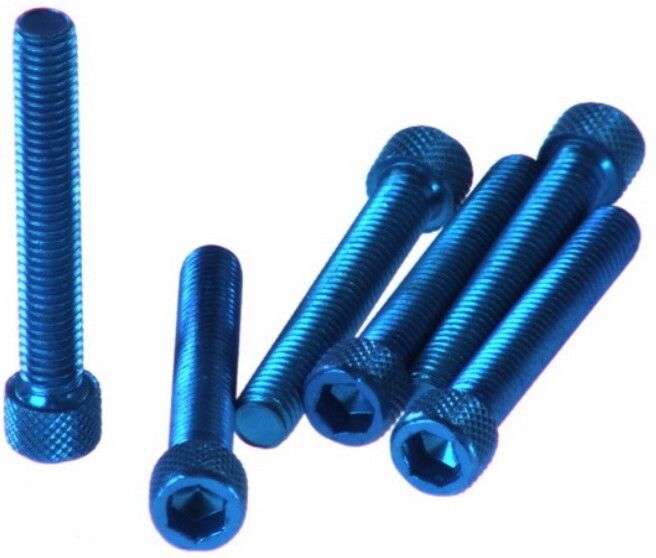

Similar search terms for VICMA-TC850AZ-Screw
Top-Angebote
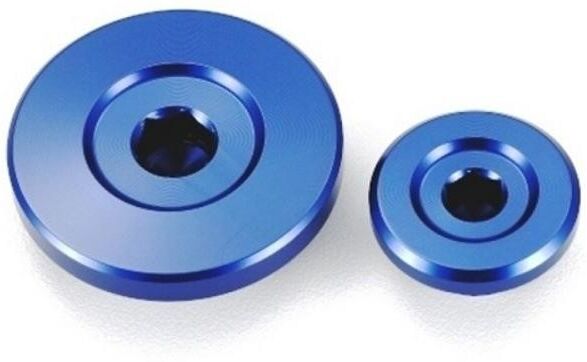
Products related to VICMA-TC850AZ-Screw:
-
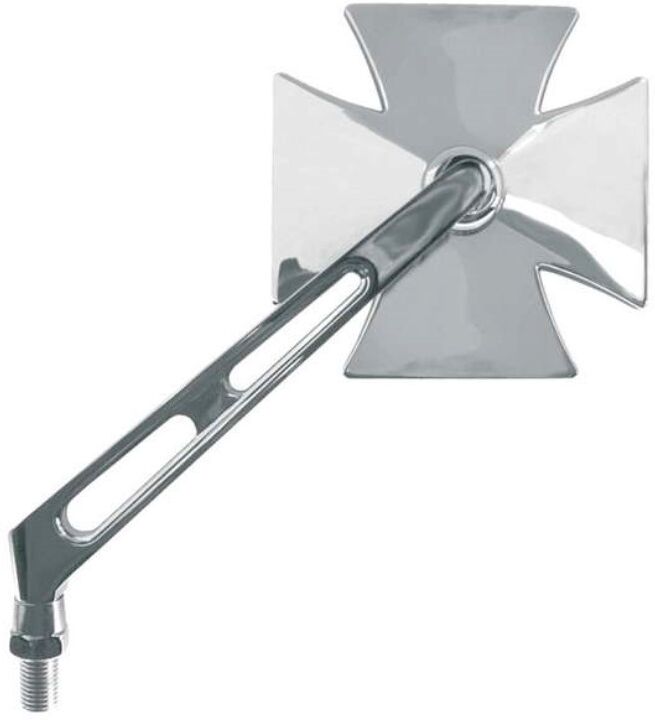
VICMA E160I MirrorFitting Position: Left; Thread Size: M10; Thread Type: with right-hand thread; Shape: cross; Width [mm]: 105; Height: 105; Colour: chrome; Material: Metal; Universal: Yes; Thread Pitch [mm]: 1.25; Registration Type: not permitted in the area of the StVZO46,99 £*Shipping: 8,45 £Secure redirect to the provider


-
What is used to cut the waterproofing membrane?
A utility knife or a sharp blade is typically used to cut the waterproofing membrane. It is important to use a sharp tool to ensure clean and precise cuts, which will help in achieving a proper seal and prevent water leakage. Care should be taken to avoid damaging the underlying surface while cutting the membrane. **
-
May I screw a screw into a wooden door?
Yes, you may screw a screw into a wooden door as long as it is appropriate for the type of wood and does not compromise the structural integrity of the door. It's important to use the correct size and type of screw for the job to ensure a secure and safe installation. Additionally, be mindful of any existing hardware or wiring inside the door that could be affected by the screw. **
-
Is the waterproofing membrane applied and then it rains?
Ideally, the waterproofing membrane should be applied in dry weather to ensure proper adhesion and effectiveness. If the membrane is applied and then it rains before it has fully cured, it can compromise its ability to create a watertight seal. Water exposure during the curing process can lead to delamination, reduced adhesion, and potential leaks. Therefore, it is best to apply the waterproofing membrane when there is no rain in the forecast and allow it to fully cure before any water exposure. **
-
Does anyone have an idea how to screw in this screw?
One way to screw in a screw is to use a screwdriver that matches the head of the screw. Place the screwdriver into the head of the screw and turn it clockwise while applying pressure. Another option is to use a power drill with a screwdriver bit to quickly and easily drive the screw into place. If the screw is difficult to turn, applying some lubricant or using a screw extractor tool may help. **

Can one screw a screw into the wall with a screwdriver?
Yes, one can screw a screw into the wall with a screwdriver. A screwdriver is a tool specifically designed for driving screws into various materials, including walls. By applying force and rotating the screwdriver, the screw can be driven into the wall to secure objects or hang decorations. It is important to choose the right type and size of screwdriver for the screw to ensure a proper fit and secure installation. **
How can a screw with a broken screw head be removed?
To remove a screw with a broken screw head, you can try using a rubber band or a piece of steel wool to get a better grip on the screw head and turn it counterclockwise. Another method is to use a screw extractor, which is a special tool designed to grip onto the broken screw and remove it. If the screw is stuck and none of these methods work, you may need to drill a small hole into the screw and use a screw extractor to remove it. **
Top-Angebote
Products related to VICMA-TC850AZ-Screw:
-
How can a new waterproofing membrane be applied on top of an old bitumen waterproofing membrane?
To apply a new waterproofing membrane on top of an old bitumen waterproofing membrane, the surface of the old membrane should be thoroughly cleaned and prepared. Any loose debris, dirt, or old adhesive should be removed to ensure proper adhesion of the new membrane. Once the surface is clean, a primer should be applied to promote adhesion between the old and new membranes. Finally, the new waterproofing membrane can be installed according to the manufacturer's instructions, ensuring that it is properly sealed and bonded to the old membrane to provide effective waterproofing. **
-
How do you screw a screw together?
To screw a screw together, first align the two pieces you want to join and hold them firmly in place. Then, insert the screw into the hole in the first piece and begin turning it clockwise with a screwdriver or drill. As you turn the screw, it will start to pull the two pieces together. Continue turning the screw until it is fully tightened and the two pieces are securely joined. Be careful not to overtighten the screw, as this can damage the materials or strip the screw threads. **
-
What is used to cut the waterproofing membrane?
A utility knife or a sharp blade is typically used to cut the waterproofing membrane. It is important to use a sharp tool to ensure clean and precise cuts, which will help in achieving a proper seal and prevent water leakage. Care should be taken to avoid damaging the underlying surface while cutting the membrane. **
-
May I screw a screw into a wooden door?
Yes, you may screw a screw into a wooden door as long as it is appropriate for the type of wood and does not compromise the structural integrity of the door. It's important to use the correct size and type of screw for the job to ensure a secure and safe installation. Additionally, be mindful of any existing hardware or wiring inside the door that could be affected by the screw. **
Similar search terms for VICMA-TC850AZ-Screw
-
VICMA E160I MirrorFitting Position: Left; Thread Size: M10; Thread Type: with right-hand thread; Shape: cross; Width [mm]: 105; Height: 105; Colour: chrome; Material: Metal; Universal: Yes; Thread Pitch [mm]: 1.25; Registration Type: not permitted in the area of the StVZO46,99 £*Shipping: 8,45 £Secure redirect to the provider
-
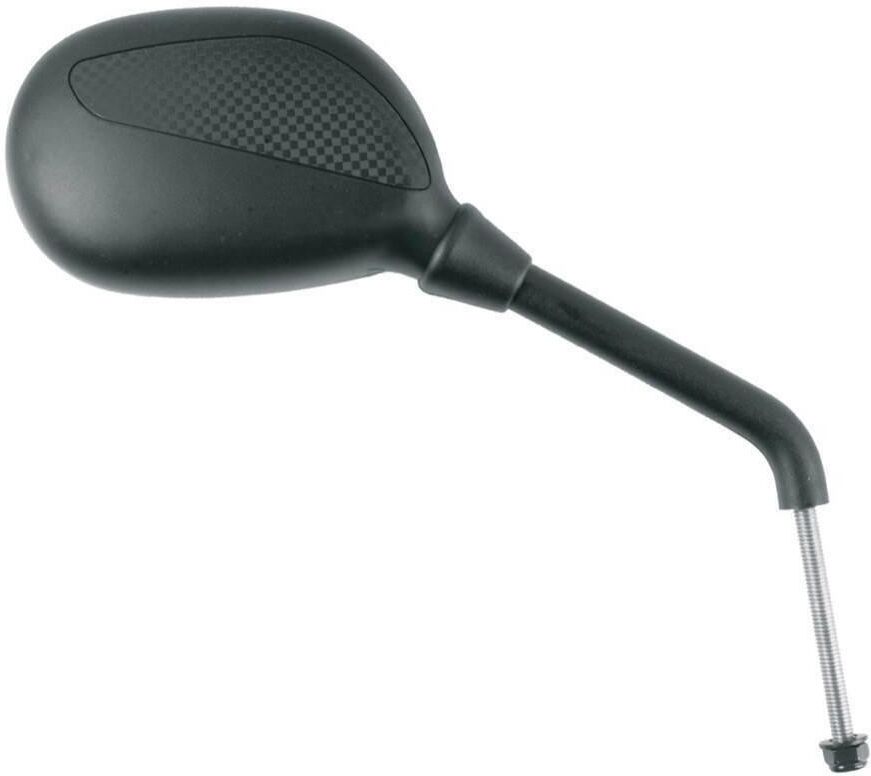
VICMA E186D MirrorFitting Position: Right; Thread Size: M8; Thread Type: with right-hand thread; Shape: oval; Colour: black; Material: Plastic; Vehicle type: Motorcycle; Width [mm]: 137; Height: 92; Registration Type: E approved; Thread Pitch [mm]: 1.2520,99 £*Shipping: 8,45 £Secure redirect to the provider
-
Is the waterproofing membrane applied and then it rains?
Ideally, the waterproofing membrane should be applied in dry weather to ensure proper adhesion and effectiveness. If the membrane is applied and then it rains before it has fully cured, it can compromise its ability to create a watertight seal. Water exposure during the curing process can lead to delamination, reduced adhesion, and potential leaks. Therefore, it is best to apply the waterproofing membrane when there is no rain in the forecast and allow it to fully cure before any water exposure. **
-
Does anyone have an idea how to screw in this screw?
One way to screw in a screw is to use a screwdriver that matches the head of the screw. Place the screwdriver into the head of the screw and turn it clockwise while applying pressure. Another option is to use a power drill with a screwdriver bit to quickly and easily drive the screw into place. If the screw is difficult to turn, applying some lubricant or using a screw extractor tool may help. **
-
Can one screw a screw into the wall with a screwdriver?
Yes, one can screw a screw into the wall with a screwdriver. A screwdriver is a tool specifically designed for driving screws into various materials, including walls. By applying force and rotating the screwdriver, the screw can be driven into the wall to secure objects or hang decorations. It is important to choose the right type and size of screwdriver for the screw to ensure a proper fit and secure installation. **
-
How can a screw with a broken screw head be removed?
To remove a screw with a broken screw head, you can try using a rubber band or a piece of steel wool to get a better grip on the screw head and turn it counterclockwise. Another method is to use a screw extractor, which is a special tool designed to grip onto the broken screw and remove it. If the screw is stuck and none of these methods work, you may need to drill a small hole into the screw and use a screw extractor to remove it. **
* All prices are inclusive of VAT and, if applicable, plus shipping costs. The offer information is based on the details provided by the respective shop and is updated through automated processes. Real-time updates do not occur, so deviations can occur in individual cases. ** Note: Parts of this content were created by AI.