Buy aquapolimery.eu ?
We are moving the project
aquapolimery.eu .
Are you interested in purchasing the domain
aquapolimery.eu ?
domain@kv-gmbh.de · 0541-91531010
Buy aquapolimery.eu ?
What is a thermoplastic with solvent?
A thermoplastic with solvent is a type of material that can be dissolved in a solvent, making it easier to manipulate and shape. When the solvent evaporates, the material solidifies, retaining its new shape. This property makes thermoplastics with solvent ideal for applications where precise shaping and molding are required, such as in the production of plastic films, coatings, and adhesives. **
What is the difference between a thermoplastic and a thermoset?
The main difference between a thermoplastic and a thermoset is their behavior when exposed to heat. Thermoplastics can be melted and reshaped multiple times without undergoing any chemical change, while thermosets undergo a chemical reaction when heated and cannot be reshaped once they have been set. Thermoplastics are typically more flexible and easier to recycle, while thermosets are more rigid and have better heat resistance. **


Similar search terms for Thermoplastic
Top-Angebote
Products related to Thermoplastic:
-
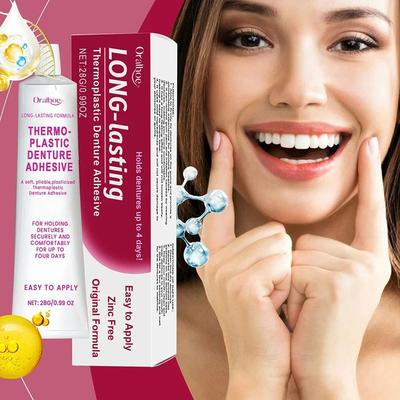
Uplift Essentials Thermoplastic Denture Fixing Solid Glue Thermoplastic Denture Fixing Solid GlueStruggling with weak, slipping dental plates can turn simple daily habits like laughing, chatting, and eating into stressful, uncomfortable moments. This medicalgrade thermoplastic denture fixing adhesive completely restores your peace of mind by...59,97 $*Shipping: 0,00 $Secure redirect to the provider
-
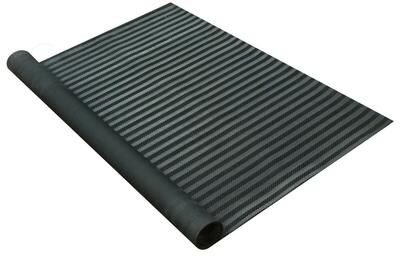
PRO_SELLERS 46 Inch Round Outdoor Steel Picnic Table with Thermoplastic Coating B"Features:- • Heavy-gauge perforated metal • Table Top Dimensions is 46"" Round, • Leg tube black spray, table top and stool top blue dip, Angle iron frame, iron"1847,49 $*Shipping: 0,00 $Secure redirect to the provider


-
In which reaction pathway is a thermoplastic, thermoset, or elastomer formed?
Thermoplastics are formed in a reaction pathway that involves the polymer chains being able to be repeatedly softened and hardened through heating and cooling. Thermosets are formed in a reaction pathway that involves irreversible cross-linking of polymer chains, resulting in a rigid and durable material. Elastomers are formed in a reaction pathway that involves the polymer chains having the ability to return to their original shape after being stretched or deformed, providing elasticity and flexibility. **
-
How can a new waterproofing membrane be applied on top of an old bitumen waterproofing membrane?
To apply a new waterproofing membrane on top of an old bitumen waterproofing membrane, the surface of the old membrane should be thoroughly cleaned and prepared. Any loose debris, dirt, or old adhesive should be removed to ensure proper adhesion of the new membrane. Once the surface is clean, a primer should be applied to promote adhesion between the old and new membranes. Finally, the new waterproofing membrane can be installed according to the manufacturer's instructions, ensuring that it is properly sealed and bonded to the old membrane to provide effective waterproofing. **
-
What are the properties of polyurethane as a thermoplastic, thermoset, and elastomer?
Polyurethane as a thermoplastic is known for its ability to be melted and reformed multiple times without significant degradation in its properties. As a thermoset, polyurethane is characterized by its ability to undergo a chemical reaction during curing, resulting in a rigid and durable material that cannot be remelted. Lastly, as an elastomer, polyurethane exhibits excellent elasticity, flexibility, and resistance to abrasion, making it suitable for a wide range of applications such as seals, gaskets, and flexible parts. **
-
Which reaction pathway leads to the formation of a thermoplastic, thermoset, or elastomer?
The formation of a thermoplastic is typically achieved through a polymerization reaction pathway, where monomers are linked together to form long chains that can be repeatedly melted and solidified. Thermosets are formed through a crosslinking reaction pathway, where the polymer chains are permanently linked together, creating a rigid and infusible structure. Elastomers are formed through a combination of crosslinking and polymerization, resulting in a material that can be stretched and returned to its original shape. **

How can I build a model for a thermoplastic and for a thermoset?
To build a model for a thermoplastic, you can start by researching the specific properties and behavior of the thermoplastic material you are interested in modeling. This may include its melting point, glass transition temperature, mechanical properties, and chemical structure. You can then use this information to develop a mathematical or computational model that describes the material's behavior under different conditions. For a thermoset, you can similarly research its properties and behavior, such as its curing process, crosslinking density, and thermal stability. With this information, you can develop a model that captures the material's curing behavior and its mechanical properties after curing. In both cases, it's important to validate your model using experimental data and adjust it as needed to accurately represent the material's behavior. **
What is used to cut the waterproofing membrane?
A utility knife or a sharp blade is typically used to cut the waterproofing membrane. It is important to use a sharp tool to ensure clean and precise cuts, which will help in achieving a proper seal and prevent water leakage. Care should be taken to avoid damaging the underlying surface while cutting the membrane. **
Top-Angebote
Products related to Thermoplastic:
-
PRO_SELLERS 46 Inch Round Outdoor Steel Picnic Table with Thermoplastic Coating B"Features:- • Heavy-gauge perforated metal • Table Top Dimensions is 46"" Round, • Leg tube black spray, table top and stool top black dip, Angle iron frame, iron"1847,49 $*Shipping: 0,00 $Secure redirect to the provider
-
Uplift Essentials Thermoplastic Denture Reliner Adhesive Cream Thermoplastic Denture Reliner Adhesive CreamDealing with loose, slipping dentures can make eating your favorite foods or speaking in public feel incredibly stressful and uncomfortable. This commercialgrade denture adhesive holding denture cream completely eliminates the anxiety of shifting...55,97 $*Shipping: 0,00 $Secure redirect to the provider
-
Uplift Essentials Thermoplastic Denture Fixing Solid Glue Thermoplastic Denture Fixing Solid GlueStruggling with weak, slipping dental plates can turn simple daily habits like laughing, chatting, and eating into stressful, uncomfortable moments. This medicalgrade thermoplastic denture fixing adhesive completely restores your peace of mind by...59,97 $*Shipping: 0,00 $Secure redirect to the provider
-
What is a thermoplastic with solvent?
A thermoplastic with solvent is a type of material that can be dissolved in a solvent, making it easier to manipulate and shape. When the solvent evaporates, the material solidifies, retaining its new shape. This property makes thermoplastics with solvent ideal for applications where precise shaping and molding are required, such as in the production of plastic films, coatings, and adhesives. **
-
What is the difference between a thermoplastic and a thermoset?
The main difference between a thermoplastic and a thermoset is their behavior when exposed to heat. Thermoplastics can be melted and reshaped multiple times without undergoing any chemical change, while thermosets undergo a chemical reaction when heated and cannot be reshaped once they have been set. Thermoplastics are typically more flexible and easier to recycle, while thermosets are more rigid and have better heat resistance. **
-
In which reaction pathway is a thermoplastic, thermoset, or elastomer formed?
Thermoplastics are formed in a reaction pathway that involves the polymer chains being able to be repeatedly softened and hardened through heating and cooling. Thermosets are formed in a reaction pathway that involves irreversible cross-linking of polymer chains, resulting in a rigid and durable material. Elastomers are formed in a reaction pathway that involves the polymer chains having the ability to return to their original shape after being stretched or deformed, providing elasticity and flexibility. **
-
How can a new waterproofing membrane be applied on top of an old bitumen waterproofing membrane?
To apply a new waterproofing membrane on top of an old bitumen waterproofing membrane, the surface of the old membrane should be thoroughly cleaned and prepared. Any loose debris, dirt, or old adhesive should be removed to ensure proper adhesion of the new membrane. Once the surface is clean, a primer should be applied to promote adhesion between the old and new membranes. Finally, the new waterproofing membrane can be installed according to the manufacturer's instructions, ensuring that it is properly sealed and bonded to the old membrane to provide effective waterproofing. **
Similar search terms for Thermoplastic
-
PRO_SELLERS 46 Inch Round Outdoor Steel Picnic Table with Thermoplastic Coating B"Features:- • Heavy-gauge perforated metal • Table Top Dimensions is 46"" Round, • Leg tube black spray, table top and stool top blue dip, Angle iron frame, iron"1847,49 $*Shipping: 0,00 $Secure redirect to the provider
-
What are the properties of polyurethane as a thermoplastic, thermoset, and elastomer?
Polyurethane as a thermoplastic is known for its ability to be melted and reformed multiple times without significant degradation in its properties. As a thermoset, polyurethane is characterized by its ability to undergo a chemical reaction during curing, resulting in a rigid and durable material that cannot be remelted. Lastly, as an elastomer, polyurethane exhibits excellent elasticity, flexibility, and resistance to abrasion, making it suitable for a wide range of applications such as seals, gaskets, and flexible parts. **
-
Which reaction pathway leads to the formation of a thermoplastic, thermoset, or elastomer?
The formation of a thermoplastic is typically achieved through a polymerization reaction pathway, where monomers are linked together to form long chains that can be repeatedly melted and solidified. Thermosets are formed through a crosslinking reaction pathway, where the polymer chains are permanently linked together, creating a rigid and infusible structure. Elastomers are formed through a combination of crosslinking and polymerization, resulting in a material that can be stretched and returned to its original shape. **
-
How can I build a model for a thermoplastic and for a thermoset?
To build a model for a thermoplastic, you can start by researching the specific properties and behavior of the thermoplastic material you are interested in modeling. This may include its melting point, glass transition temperature, mechanical properties, and chemical structure. You can then use this information to develop a mathematical or computational model that describes the material's behavior under different conditions. For a thermoset, you can similarly research its properties and behavior, such as its curing process, crosslinking density, and thermal stability. With this information, you can develop a model that captures the material's curing behavior and its mechanical properties after curing. In both cases, it's important to validate your model using experimental data and adjust it as needed to accurately represent the material's behavior. **
-
What is used to cut the waterproofing membrane?
A utility knife or a sharp blade is typically used to cut the waterproofing membrane. It is important to use a sharp tool to ensure clean and precise cuts, which will help in achieving a proper seal and prevent water leakage. Care should be taken to avoid damaging the underlying surface while cutting the membrane. **
* All prices are inclusive of VAT and, if applicable, plus shipping costs. The offer information is based on the details provided by the respective shop and is updated through automated processes. Real-time updates do not occur, so deviations can occur in individual cases. ** Note: Parts of this content were created by AI.