Buy aquapolimery.eu ?
We are moving the project
aquapolimery.eu .
Are you interested in purchasing the domain
aquapolimery.eu ?
domain@kv-gmbh.de · 0541-91531010
Buy aquapolimery.eu ?
Is aluminum resistant to saltwater?
Aluminum is not highly resistant to saltwater. When exposed to saltwater, aluminum can corrode and deteriorate over time. To protect aluminum from saltwater corrosion, it is important to apply a protective coating or use anodized aluminum, which has a more durable surface finish. Regular maintenance and rinsing with fresh water can also help prolong the lifespan of aluminum in saltwater environments. **
How does the stovetop work?
The stovetop works by generating heat through either gas burners or electric coils. When the stovetop is turned on, the heat source warms up the cooking surface, allowing pots and pans to be placed on top for cooking. The heat is then transferred from the stovetop to the cookware, heating up the food inside. The user can control the temperature by adjusting the settings on the stovetop, either by turning a knob for gas stoves or selecting a heat level for electric stoves. **
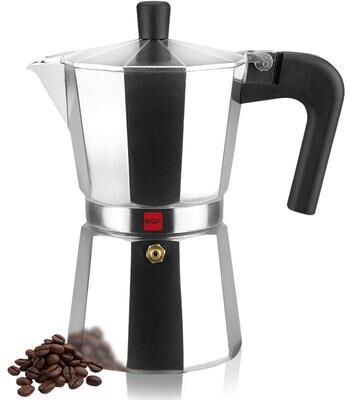
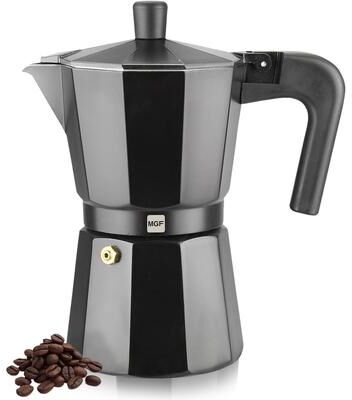
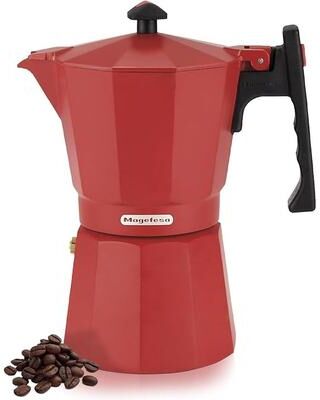
Similar search terms for Magefesa-Kenia-Aluminum-Stovetop
Top-Angebote
Products related to Magefesa-Kenia-Aluminum-Stovetop:
-
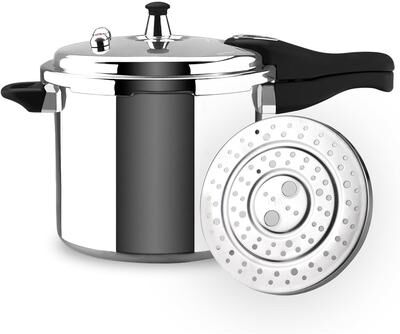
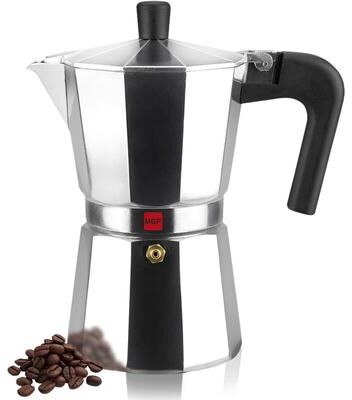
Magefesa Avant Aluminum Stovetop Pressure CookerCook faster and healthier meals with the Magefesa Avant Pressure Cooker. Crafted from durable aluminum with a polished finish, this pressure cooker resists corrosion and wear for long-lasting use.68,99 $*Shipping: 0,00 $Secure redirect to the provider


-
How does water burn on a stovetop?
Water does not burn on a stovetop because it is already in its liquid form and cannot catch fire. When water is heated on a stovetop, it reaches its boiling point and turns into steam. The steam is a result of the water evaporating, not burning. However, if all the water evaporates and the pot is left empty on the hot stovetop, the pot itself can become extremely hot and potentially catch fire. **
-
How do I remove plastic from the stovetop?
To remove plastic from a stovetop, start by turning off the heat and allowing the plastic to cool completely. Once cooled, gently scrape off as much of the plastic as possible using a plastic scraper or a credit card. Next, mix a solution of equal parts baking soda and water to create a paste, apply it to the remaining plastic residue, and let it sit for a few minutes. Finally, use a soft cloth or sponge to scrub the area, rinse with water, and dry thoroughly. **
-
How can one eat without using a stovetop?
One can eat without using a stovetop by preparing meals that do not require cooking, such as salads, sandwiches, or smoothies. Additionally, one can use alternative cooking methods such as a microwave, toaster oven, slow cooker, or electric skillet to prepare meals without a stovetop. Another option is to purchase pre-cooked or ready-to-eat meals that can be heated in a microwave or eaten cold. Lastly, one can also consider meal delivery services or meal kits that provide pre-portioned ingredients and recipes for easy preparation without the need for a stovetop. **
-
What does this symbol on the stovetop mean?
The symbol on the stovetop is a representation of a pot or pan with three lines underneath it. This symbol indicates that this particular burner is designed for use with cookware that has a flat bottom. The three lines underneath the pot or pan symbol suggest the level of heat intensity that can be used with this burner. It is important to match the cookware to the correct burner to ensure efficient cooking and prevent damage to the stovetop. **

How do I remove oil from the stovetop?
To remove oil from the stovetop, start by sprinkling a generous amount of baking soda over the affected area. Then, using a damp cloth or sponge, gently scrub the baking soda into the oil stains. After scrubbing, wipe the stovetop with a clean, damp cloth to remove the baking soda and oil residue. For tougher stains, you can also use a mixture of dish soap and water to help break down the oil before wiping it away. **
How is the pretreatment of aluminum done before powder coating?
Before powder coating aluminum, the surface needs to be properly prepared to ensure adhesion and durability of the coating. The pretreatment process typically involves cleaning the aluminum surface to remove any contaminants such as dirt, oil, or grease. This is usually done through a combination of chemical cleaning, rinsing, and drying. Additionally, a conversion coating may be applied to enhance the adhesion of the powder coating to the aluminum surface. This pretreatment process is crucial for achieving a high-quality and long-lasting powder-coated finish on aluminum. **
Top-Angebote
Products related to Magefesa-Kenia-Aluminum-Stovetop:
-
Magefesa Avant Aluminum Stovetop Pressure CookerCook faster and healthier meals with the Magefesa Avant Pressure Cooker. Crafted from durable aluminum with a polished finish, this pressure cooker resists corrosion and wear for long-lasting use.68,99 $*Shipping: 0,00 $Secure redirect to the provider
-
Is aluminum resistant to saltwater?
Aluminum is not highly resistant to saltwater. When exposed to saltwater, aluminum can corrode and deteriorate over time. To protect aluminum from saltwater corrosion, it is important to apply a protective coating or use anodized aluminum, which has a more durable surface finish. Regular maintenance and rinsing with fresh water can also help prolong the lifespan of aluminum in saltwater environments. **
-
How does the stovetop work?
The stovetop works by generating heat through either gas burners or electric coils. When the stovetop is turned on, the heat source warms up the cooking surface, allowing pots and pans to be placed on top for cooking. The heat is then transferred from the stovetop to the cookware, heating up the food inside. The user can control the temperature by adjusting the settings on the stovetop, either by turning a knob for gas stoves or selecting a heat level for electric stoves. **
-
How does water burn on a stovetop?
Water does not burn on a stovetop because it is already in its liquid form and cannot catch fire. When water is heated on a stovetop, it reaches its boiling point and turns into steam. The steam is a result of the water evaporating, not burning. However, if all the water evaporates and the pot is left empty on the hot stovetop, the pot itself can become extremely hot and potentially catch fire. **
-
How do I remove plastic from the stovetop?
To remove plastic from a stovetop, start by turning off the heat and allowing the plastic to cool completely. Once cooled, gently scrape off as much of the plastic as possible using a plastic scraper or a credit card. Next, mix a solution of equal parts baking soda and water to create a paste, apply it to the remaining plastic residue, and let it sit for a few minutes. Finally, use a soft cloth or sponge to scrub the area, rinse with water, and dry thoroughly. **
Similar search terms for Magefesa-Kenia-Aluminum-Stovetop
-
How can one eat without using a stovetop?
One can eat without using a stovetop by preparing meals that do not require cooking, such as salads, sandwiches, or smoothies. Additionally, one can use alternative cooking methods such as a microwave, toaster oven, slow cooker, or electric skillet to prepare meals without a stovetop. Another option is to purchase pre-cooked or ready-to-eat meals that can be heated in a microwave or eaten cold. Lastly, one can also consider meal delivery services or meal kits that provide pre-portioned ingredients and recipes for easy preparation without the need for a stovetop. **
-
What does this symbol on the stovetop mean?
The symbol on the stovetop is a representation of a pot or pan with three lines underneath it. This symbol indicates that this particular burner is designed for use with cookware that has a flat bottom. The three lines underneath the pot or pan symbol suggest the level of heat intensity that can be used with this burner. It is important to match the cookware to the correct burner to ensure efficient cooking and prevent damage to the stovetop. **
-
How do I remove oil from the stovetop?
To remove oil from the stovetop, start by sprinkling a generous amount of baking soda over the affected area. Then, using a damp cloth or sponge, gently scrub the baking soda into the oil stains. After scrubbing, wipe the stovetop with a clean, damp cloth to remove the baking soda and oil residue. For tougher stains, you can also use a mixture of dish soap and water to help break down the oil before wiping it away. **
-
How is the pretreatment of aluminum done before powder coating?
Before powder coating aluminum, the surface needs to be properly prepared to ensure adhesion and durability of the coating. The pretreatment process typically involves cleaning the aluminum surface to remove any contaminants such as dirt, oil, or grease. This is usually done through a combination of chemical cleaning, rinsing, and drying. Additionally, a conversion coating may be applied to enhance the adhesion of the powder coating to the aluminum surface. This pretreatment process is crucial for achieving a high-quality and long-lasting powder-coated finish on aluminum. **
* All prices are inclusive of VAT and, if applicable, plus shipping costs. The offer information is based on the details provided by the respective shop and is updated through automated processes. Real-time updates do not occur, so deviations can occur in individual cases. ** Note: Parts of this content were created by AI.