Buy aquapolimery.eu ?
We are moving the project
aquapolimery.eu .
Are you interested in purchasing the domain
aquapolimery.eu ?
domain@kv-gmbh.de · 0541-91531010
Buy aquapolimery.eu ?
Should I replace this radiator hose?
If the radiator hose is showing signs of wear such as cracks, bulges, or leaks, then it is recommended to replace it. A damaged radiator hose can lead to coolant leaks, overheating of the engine, and potential engine damage. It is better to replace the hose preventatively rather than risk a breakdown or more costly repairs in the future. If you are unsure about the condition of the hose, it is best to have a mechanic inspect it for you. **
Why did the radiator hose burst?
The radiator hose likely burst due to a combination of factors such as age, wear and tear, and high pressure. Over time, the rubber in the hose can degrade and become more prone to cracking and bursting. Additionally, if the cooling system is not properly maintained and the coolant levels are not regularly checked, it can lead to overheating and increased pressure within the hose, causing it to burst. It's important to regularly inspect and replace radiator hoses to prevent unexpected failures. **


Similar search terms for GATES-05-2014-Radiator-hose
Top-Angebote
Products related to GATES-05-2014-Radiator-hose:
-
GATES 05-2609 Radiator hoseMaterial: EPDM (ethylene propylene diene Monomer (M-class) rubber); Colour: black; Hose Length [mm]: 365; Inner Diameter 1 [mm]: 31,5; Inner Diameter 2 [mm]: 31; Observe broschure: ; Fitting Position: Upper; Cooling Hose: from connecting pipe to engine cooler; for OE number: 1K0 121 101 BS; Construction Year from: 06/2003, 11/2007, 04/2004, 08/2005, 01/2008; Construction Year to: 08/2012, 05/2010, 05/2015, 08/2010, 11/2008, 03/2013, 10/2011, 10/2008, 11/2012; Vehicle type: A3, Caddy, Caddy Maxi, A3 Sportback; TecDoc Engine Number: 18222, 18223, 207807,99 £*Shipping: 8,45 £Secure redirect to the provider
-
GATES 05-2676 Radiator hoseMaterial: EPDM (ethylene propylene diene Monomer (M-class) rubber); Colour: black; Hose Length [mm]: 405; Inner Diameter 1 [mm]: 32; Inner Diameter 2 [mm]: 32; Observe broschure: ; Construction Year from: 03/1999, 11/2001, 04/2002; Construction Year to: 04/2005, 12/2012, 07/2008, 03/2018, 06/2008, 12/2003, 10/2005; Fitting Position: Upper; Vehicle type: Thalia, Symbol, Kangoo Express, Kangoo Rapid, Clio Symbol, Clio Thalia; for OE number: 77008470547,59 £*Shipping: 8,45 £Secure redirect to the provider
-
GATES 05-2786 Radiator hoseMaterial: EPDM (ethylene propylene diene Monomer (M-class) rubber); Colour: black; Hose Length [mm]: 240; Inner Diameter 1 [mm]: 39; Inner Diameter 2 [mm]: 39; Observe broschure: ; Construction Year to: 09/1998; Fitting Position: Upper; Climate Zones: not for hot climate zones, for cold climate zones6,59 £*Shipping: 8,45 £Secure redirect to the provider
-
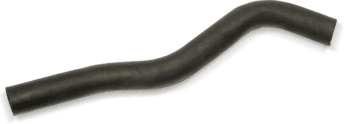
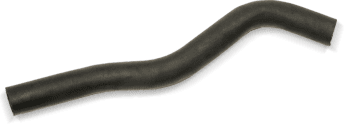
GATES 05-2938 Radiator hoseMaterial: EPDM (ethylene propylene diene Monomer (M-class) rubber); Colour: black; Hose Length [mm]: 335; Inner Diameter 1 [mm]: 31; Inner Diameter 2 [mm]: 24; Observe broschure: ; Construction Year from: 04/2004; Construction Year to: 03/2009, 04/2008; Fitting Position: Upper5,99 £*Shipping: 8,45 £Secure redirect to the provider


-
How can one repair a radiator with a radiator sealant?
To repair a radiator with a radiator sealant, first, ensure the engine is cool and the radiator is not under pressure. Then, locate the radiator cap and pour the sealant directly into the radiator. After adding the sealant, start the engine and let it run for about 15-20 minutes to allow the sealant to circulate and seal any leaks. Finally, check for any remaining leaks and top up the coolant if necessary. **
-
"Is the radiator hose torn and leaking at the clamp?"
To determine if the radiator hose is torn and leaking at the clamp, you should visually inspect the hose for any visible tears or damage. Additionally, you can check for any signs of coolant leakage around the clamp area. If there is evidence of a tear or leak, it is important to address the issue promptly to prevent further damage to the cooling system. It may be necessary to replace the hose or tighten the clamp to resolve the issue. **
-
I just took eucalyptus oil for ingestion, even though it expired in 05/2014.
It is not recommended to ingest expired eucalyptus oil as it may have lost its potency and could potentially be harmful. Expired oils can become rancid and may cause adverse reactions such as stomach upset or allergic reactions. It is best to dispose of expired oils properly and consult a healthcare professional if you experience any negative symptoms after ingestion. **
-
How can you repair a radiator with a radiator sealant repair?
To repair a radiator with a radiator sealant, first, ensure the engine is cool and the radiator is empty. Then, pour the radiator sealant directly into the radiator and fill it with water. After that, start the engine and let it run for a while to allow the sealant to circulate and seal any leaks. Finally, check for any remaining leaks and top off the radiator with coolant as needed. Keep in mind that while radiator sealant can be a temporary fix, it's best to have a professional mechanic inspect and repair any serious radiator issues. **

What is a radiator sealant for diesel?
A radiator sealant for diesel is a product designed to repair leaks in the cooling system of a diesel engine. It is specifically formulated to work with the higher temperatures and pressures found in diesel engines. The sealant is typically added to the radiator or coolant system and works by flowing to the source of the leak and forming a seal to stop the flow of coolant. This helps to prevent overheating and potential damage to the engine. **
Is radiator sealant automatically harmful to the cooling system?
Radiator sealant is not automatically harmful to the cooling system. It can be a temporary solution to fix minor leaks in the radiator. However, if used excessively or if the radiator sealant is not compatible with the cooling system, it can potentially cause clogs and other issues. It is important to follow the manufacturer's instructions and use radiator sealant as a temporary fix until a proper repair can be made. **
Top-Angebote
Products related to GATES-05-2014-Radiator-hose:
-
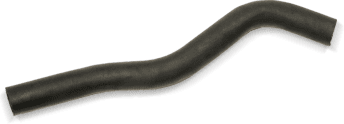
GATES 05-2014 Radiator hoseMaterial: EPDM (ethylene propylene diene Monomer (M-class) rubber); Colour: black; Hose Length [mm]: 620; Inner Diameter 1 [mm]: 26; Inner Diameter 2 [mm]: 26; Observe broschure: ; Fitting Position: Lower; Construction Year to: 10/2008, 12/2008, 10/2004; Vehicle type: Jazz, Fit; TecDoc Engine Number: 343126,59 £*Shipping: 8,45 £Secure redirect to the provider
-
GATES 05-2558 Radiator hoseMaterial: EPDM (ethylene propylene diene Monomer (M-class) rubber); Colour: black; Hose Length [mm]: 405; Inner Diameter 1 [mm]: 29; Inner Diameter 2 [mm]: 29; Observe broschure: ; Fitting Position: Upper; Emissions Standard: Euro 3/Euro 4, Euro 58,99 £*Shipping: 8,45 £Secure redirect to the provider
-
GATES 05-2609 Radiator hoseMaterial: EPDM (ethylene propylene diene Monomer (M-class) rubber); Colour: black; Hose Length [mm]: 365; Inner Diameter 1 [mm]: 31,5; Inner Diameter 2 [mm]: 31; Observe broschure: ; Fitting Position: Upper; Cooling Hose: from connecting pipe to engine cooler; for OE number: 1K0 121 101 BS; Construction Year from: 06/2003, 11/2007, 04/2004, 08/2005, 01/2008; Construction Year to: 08/2012, 05/2010, 05/2015, 08/2010, 11/2008, 03/2013, 10/2011, 10/2008, 11/2012; Vehicle type: A3, Caddy, Caddy Maxi, A3 Sportback; TecDoc Engine Number: 18222, 18223, 207807,99 £*Shipping: 8,45 £Secure redirect to the provider
-
GATES 05-2676 Radiator hoseMaterial: EPDM (ethylene propylene diene Monomer (M-class) rubber); Colour: black; Hose Length [mm]: 405; Inner Diameter 1 [mm]: 32; Inner Diameter 2 [mm]: 32; Observe broschure: ; Construction Year from: 03/1999, 11/2001, 04/2002; Construction Year to: 04/2005, 12/2012, 07/2008, 03/2018, 06/2008, 12/2003, 10/2005; Fitting Position: Upper; Vehicle type: Thalia, Symbol, Kangoo Express, Kangoo Rapid, Clio Symbol, Clio Thalia; for OE number: 77008470547,59 £*Shipping: 8,45 £Secure redirect to the provider
-
Should I replace this radiator hose?
If the radiator hose is showing signs of wear such as cracks, bulges, or leaks, then it is recommended to replace it. A damaged radiator hose can lead to coolant leaks, overheating of the engine, and potential engine damage. It is better to replace the hose preventatively rather than risk a breakdown or more costly repairs in the future. If you are unsure about the condition of the hose, it is best to have a mechanic inspect it for you. **
-
Why did the radiator hose burst?
The radiator hose likely burst due to a combination of factors such as age, wear and tear, and high pressure. Over time, the rubber in the hose can degrade and become more prone to cracking and bursting. Additionally, if the cooling system is not properly maintained and the coolant levels are not regularly checked, it can lead to overheating and increased pressure within the hose, causing it to burst. It's important to regularly inspect and replace radiator hoses to prevent unexpected failures. **
-
How can one repair a radiator with a radiator sealant?
To repair a radiator with a radiator sealant, first, ensure the engine is cool and the radiator is not under pressure. Then, locate the radiator cap and pour the sealant directly into the radiator. After adding the sealant, start the engine and let it run for about 15-20 minutes to allow the sealant to circulate and seal any leaks. Finally, check for any remaining leaks and top up the coolant if necessary. **
-
"Is the radiator hose torn and leaking at the clamp?"
To determine if the radiator hose is torn and leaking at the clamp, you should visually inspect the hose for any visible tears or damage. Additionally, you can check for any signs of coolant leakage around the clamp area. If there is evidence of a tear or leak, it is important to address the issue promptly to prevent further damage to the cooling system. It may be necessary to replace the hose or tighten the clamp to resolve the issue. **
Similar search terms for GATES-05-2014-Radiator-hose
-
GATES 05-2786 Radiator hoseMaterial: EPDM (ethylene propylene diene Monomer (M-class) rubber); Colour: black; Hose Length [mm]: 240; Inner Diameter 1 [mm]: 39; Inner Diameter 2 [mm]: 39; Observe broschure: ; Construction Year to: 09/1998; Fitting Position: Upper; Climate Zones: not for hot climate zones, for cold climate zones6,59 £*Shipping: 8,45 £Secure redirect to the provider
-
GATES 05-2938 Radiator hoseMaterial: EPDM (ethylene propylene diene Monomer (M-class) rubber); Colour: black; Hose Length [mm]: 335; Inner Diameter 1 [mm]: 31; Inner Diameter 2 [mm]: 24; Observe broschure: ; Construction Year from: 04/2004; Construction Year to: 03/2009, 04/2008; Fitting Position: Upper5,99 £*Shipping: 8,45 £Secure redirect to the provider
-
GATES 05-0977 Radiator hoseMaterial: EPDM (ethylene propylene diene Monomer (M-class) rubber); Colour: black; Hose Length [mm]: 120; Inner Diameter 1 [mm]: 29,5; Inner Diameter 2 [mm]: 29,5; Observe broschure: ; not for country specific design: Switzerland; Construction Year to: 08/1988, 09/1984, 11/1987; Cooling Hose: from radiator to water pipe; Vehicle Equipment: for vehicles without air conditioning; Construction Year from: 07/1984; Vehicle type: 318i Cabrio5,29 £*Shipping: 8,45 £Secure redirect to the provider
-
GATES 05-3185 Radiator hoseMaterial: EPDM (ethylene propylene diene Monomer (M-class) rubber); Colour: black; Hose Length [mm]: 510; Inner Diameter 1 [mm]: 15; Inner Diameter 2 [mm]: 15; Observe broschure: ; Construction Year from: 07/1998; Construction Year to: 10/2005, 05/2008; Vehicle type: Berlingo MultiSpace, Berlingo; Fitting Position: Lower; TecDoc Engine Number: 10708; Engine Code: DW86,59 £*Shipping: 8,45 £Secure redirect to the provider
-
I just took eucalyptus oil for ingestion, even though it expired in 05/2014.
It is not recommended to ingest expired eucalyptus oil as it may have lost its potency and could potentially be harmful. Expired oils can become rancid and may cause adverse reactions such as stomach upset or allergic reactions. It is best to dispose of expired oils properly and consult a healthcare professional if you experience any negative symptoms after ingestion. **
-
How can you repair a radiator with a radiator sealant repair?
To repair a radiator with a radiator sealant, first, ensure the engine is cool and the radiator is empty. Then, pour the radiator sealant directly into the radiator and fill it with water. After that, start the engine and let it run for a while to allow the sealant to circulate and seal any leaks. Finally, check for any remaining leaks and top off the radiator with coolant as needed. Keep in mind that while radiator sealant can be a temporary fix, it's best to have a professional mechanic inspect and repair any serious radiator issues. **
-
What is a radiator sealant for diesel?
A radiator sealant for diesel is a product designed to repair leaks in the cooling system of a diesel engine. It is specifically formulated to work with the higher temperatures and pressures found in diesel engines. The sealant is typically added to the radiator or coolant system and works by flowing to the source of the leak and forming a seal to stop the flow of coolant. This helps to prevent overheating and potential damage to the engine. **
-
Is radiator sealant automatically harmful to the cooling system?
Radiator sealant is not automatically harmful to the cooling system. It can be a temporary solution to fix minor leaks in the radiator. However, if used excessively or if the radiator sealant is not compatible with the cooling system, it can potentially cause clogs and other issues. It is important to follow the manufacturer's instructions and use radiator sealant as a temporary fix until a proper repair can be made. **
* All prices are inclusive of VAT and, if applicable, plus shipping costs. The offer information is based on the details provided by the respective shop and is updated through automated processes. Real-time updates do not occur, so deviations can occur in individual cases. ** Note: Parts of this content were created by AI.