Buy aquapolimery.eu ?
We are moving the project
aquapolimery.eu .
Are you interested in purchasing the domain
aquapolimery.eu ?
domain@kv-gmbh.de · 0541-91531010
Buy aquapolimery.eu ?
Where is BPA contained?
BPA, or bisphenol A, is contained in a variety of consumer products including plastic containers, food and beverage cans, and thermal paper receipts. It is commonly used in the production of polycarbonate plastics and epoxy resins, which are found in items such as water bottles, food storage containers, and the lining of metal cans. BPA can also be present in dental sealants and medical devices. **
Is recycling code 7 still BPA-free?
Recycling code 7 is a catch-all category for plastics that do not fit into the other six categories. This means that it can include a wide range of plastics, some of which may contain BPA. Therefore, it is important to check the specific product or packaging to determine if it is BPA-free. It is always best to look for products that are labeled as BPA-free to ensure that they do not contain this potentially harmful chemical. **
Similar search terms for BPA
Top-Angebote
Products related to BPA:


-
Do plastic chewing gums contain BPA or phthalates?
Some plastic chewing gums may contain BPA or phthalates, as these chemicals are commonly used in the production of plastics. BPA is often used in the production of polycarbonate plastics, while phthalates are used to make plastics more flexible. However, it is important to note that not all plastic chewing gums contain these chemicals, and some manufacturers may use alternative materials that are BPA and phthalate-free. It is always best to check the product label or contact the manufacturer directly to inquire about the presence of these chemicals in plastic chewing gums. **
-
Is the water bottle from China really BPA-free?
To determine if the water bottle from China is truly BPA-free, it is important to look for certifications or labels that confirm its BPA-free status. Additionally, checking the product specifications or contacting the manufacturer directly for more information can help verify the claim. It is also advisable to be cautious and do thorough research before purchasing to ensure the safety of the product. **
-
Is BPA contained in 5 liters of drinking water?
BPA, or bisphenol A, is not typically found in drinking water itself, but rather can leach into water from plastic containers or bottles that contain BPA. If the 5 liters of drinking water are stored in a plastic container that contains BPA, there is a possibility that the water could be contaminated with BPA. To ensure that the drinking water is free from BPA, it is recommended to use BPA-free containers or opt for glass or stainless steel containers. **
-
How can a new waterproofing membrane be applied on top of an old bitumen waterproofing membrane?
To apply a new waterproofing membrane on top of an old bitumen waterproofing membrane, the surface of the old membrane should be thoroughly cleaned and prepared. Any loose debris, dirt, or old adhesive should be removed to ensure proper adhesion of the new membrane. Once the surface is clean, a primer should be applied to promote adhesion between the old and new membranes. Finally, the new waterproofing membrane can be installed according to the manufacturer's instructions, ensuring that it is properly sealed and bonded to the old membrane to provide effective waterproofing. **

What is used to cut the waterproofing membrane?
A utility knife or a sharp blade is typically used to cut the waterproofing membrane. It is important to use a sharp tool to ensure clean and precise cuts, which will help in achieving a proper seal and prevent water leakage. Care should be taken to avoid damaging the underlying surface while cutting the membrane. **
When are water-based foods safe again after coming into contact with BPA plastic?
Water-based foods are safe again after coming into contact with BPA plastic once they are transferred to a BPA-free container. It is best to avoid using BPA plastic for storing or heating water-based foods to prevent the leaching of BPA into the food. Additionally, it is important to follow proper food safety guidelines and consume the food within a reasonable time frame to minimize any potential health risks associated with BPA exposure. **
Top-Angebote
Products related to BPA:
-
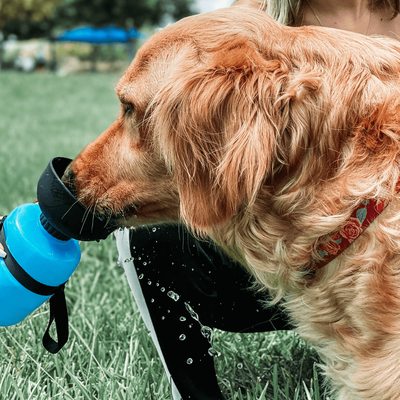
PetsAreLife BPA Free Outdoor Dog Water Bottle BPA Free Outdoor Dog Water BottleLetting your pet drink water from any source outside can be harmful to its health since outdoor water can be polluted. So make sure your fourlegged friend drinks clean water whenever it goes outside. But how By getting your hands on this BPA Free...27,97 $*Shipping: 0,00 $Secure redirect to the provider
-
Where is BPA contained?
BPA, or bisphenol A, is contained in a variety of consumer products including plastic containers, food and beverage cans, and thermal paper receipts. It is commonly used in the production of polycarbonate plastics and epoxy resins, which are found in items such as water bottles, food storage containers, and the lining of metal cans. BPA can also be present in dental sealants and medical devices. **
-
Is recycling code 7 still BPA-free?
Recycling code 7 is a catch-all category for plastics that do not fit into the other six categories. This means that it can include a wide range of plastics, some of which may contain BPA. Therefore, it is important to check the specific product or packaging to determine if it is BPA-free. It is always best to look for products that are labeled as BPA-free to ensure that they do not contain this potentially harmful chemical. **
-
Do plastic chewing gums contain BPA or phthalates?
Some plastic chewing gums may contain BPA or phthalates, as these chemicals are commonly used in the production of plastics. BPA is often used in the production of polycarbonate plastics, while phthalates are used to make plastics more flexible. However, it is important to note that not all plastic chewing gums contain these chemicals, and some manufacturers may use alternative materials that are BPA and phthalate-free. It is always best to check the product label or contact the manufacturer directly to inquire about the presence of these chemicals in plastic chewing gums. **
-
Is the water bottle from China really BPA-free?
To determine if the water bottle from China is truly BPA-free, it is important to look for certifications or labels that confirm its BPA-free status. Additionally, checking the product specifications or contacting the manufacturer directly for more information can help verify the claim. It is also advisable to be cautious and do thorough research before purchasing to ensure the safety of the product. **
Similar search terms for BPA
-
Is BPA contained in 5 liters of drinking water?
BPA, or bisphenol A, is not typically found in drinking water itself, but rather can leach into water from plastic containers or bottles that contain BPA. If the 5 liters of drinking water are stored in a plastic container that contains BPA, there is a possibility that the water could be contaminated with BPA. To ensure that the drinking water is free from BPA, it is recommended to use BPA-free containers or opt for glass or stainless steel containers. **
-
How can a new waterproofing membrane be applied on top of an old bitumen waterproofing membrane?
To apply a new waterproofing membrane on top of an old bitumen waterproofing membrane, the surface of the old membrane should be thoroughly cleaned and prepared. Any loose debris, dirt, or old adhesive should be removed to ensure proper adhesion of the new membrane. Once the surface is clean, a primer should be applied to promote adhesion between the old and new membranes. Finally, the new waterproofing membrane can be installed according to the manufacturer's instructions, ensuring that it is properly sealed and bonded to the old membrane to provide effective waterproofing. **
-
What is used to cut the waterproofing membrane?
A utility knife or a sharp blade is typically used to cut the waterproofing membrane. It is important to use a sharp tool to ensure clean and precise cuts, which will help in achieving a proper seal and prevent water leakage. Care should be taken to avoid damaging the underlying surface while cutting the membrane. **
-
When are water-based foods safe again after coming into contact with BPA plastic?
Water-based foods are safe again after coming into contact with BPA plastic once they are transferred to a BPA-free container. It is best to avoid using BPA plastic for storing or heating water-based foods to prevent the leaching of BPA into the food. Additionally, it is important to follow proper food safety guidelines and consume the food within a reasonable time frame to minimize any potential health risks associated with BPA exposure. **
* All prices are inclusive of VAT and, if applicable, plus shipping costs. The offer information is based on the details provided by the respective shop and is updated through automated processes. Real-time updates do not occur, so deviations can occur in individual cases. ** Note: Parts of this content were created by AI.