Buy aquapolimery.eu ?
We are moving the project
aquapolimery.eu .
Are you interested in purchasing the domain
aquapolimery.eu ?
domain@kv-gmbh.de · 0541-91531010
Buy aquapolimery.eu ?
What is the centerpiece as a stylistic device?
The centerpiece is a stylistic device used in writing and speaking to highlight a central idea or theme. It is often the focal point of the piece, drawing attention and emphasizing its importance. The centerpiece can be a key argument, a significant event, or a powerful image that serves to anchor and unify the overall message of the work. By using a centerpiece, writers and speakers can effectively convey their main point and engage their audience. **
How can a new waterproofing membrane be applied on top of an old bitumen waterproofing membrane?
To apply a new waterproofing membrane on top of an old bitumen waterproofing membrane, the surface of the old membrane should be thoroughly cleaned and prepared. Any loose debris, dirt, or old adhesive should be removed to ensure proper adhesion of the new membrane. Once the surface is clean, a primer should be applied to promote adhesion between the old and new membranes. Finally, the new waterproofing membrane can be installed according to the manufacturer's instructions, ensuring that it is properly sealed and bonded to the old membrane to provide effective waterproofing. **

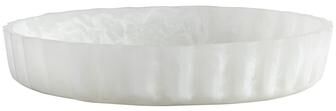
Similar search terms for BIDKhome-Edge-Centerpiece
Top-Angebote
Products related to BIDKhome-Edge-Centerpiece:
-
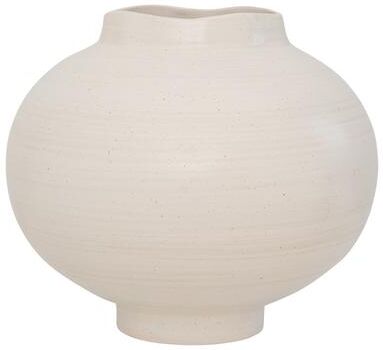
BIDKhome Vase CamilaThis elegant vase features a sleek, contemporary design with a smooth, glossy finish that catches the light beautifully. Its subtle, tapered silhouette adds a touch of sophistication to any room, making it a versatile piece for various decor styles.185,70 $*Shipping: 0,00 $Secure redirect to the provider



-
What is the white coating on the edge of the sink?
The white coating on the edge of the sink is likely a build-up of mineral deposits, soap scum, or hard water stains. These substances can accumulate over time from water splashing onto the sink's surface and not being wiped away. Regular cleaning with a mild abrasive cleaner or a mixture of vinegar and water can help remove this white coating and restore the sink's appearance. **
-
How do you sew leather edge to edge?
To sew leather edge to edge, you will need a leather needle, heavy-duty thread, and a leather sewing machine or a heavy-duty sewing machine with a leather sewing foot. First, align the edges of the leather pieces and secure them in place with clips or pins. Then, use a leather sewing machine or a heavy-duty sewing machine with a leather sewing foot to sew the edges together using a straight stitch. Make sure to use a longer stitch length and go slowly to ensure even stitching. Finally, backstitch at the beginning and end of the seam to secure the stitches. **
-
What is used to cut the waterproofing membrane?
A utility knife or a sharp blade is typically used to cut the waterproofing membrane. It is important to use a sharp tool to ensure clean and precise cuts, which will help in achieving a proper seal and prevent water leakage. Care should be taken to avoid damaging the underlying surface while cutting the membrane. **
-
Which dimmer is used, leading edge or trailing edge?
The dimmer used can vary depending on the type of lighting fixture being controlled. Leading edge dimmers are typically used with incandescent and halogen bulbs, while trailing edge dimmers are more commonly used with LED and CFL bulbs. It is important to match the dimmer type with the appropriate lighting technology to ensure optimal performance and compatibility. **

Which dimmer is used, leading-edge or trailing-edge?
Trailing-edge dimmers are typically used for LED and electronic low-voltage lighting, as they provide a smoother dimming experience and help prevent flickering. On the other hand, leading-edge dimmers are more commonly used for incandescent and halogen lighting. The choice between leading-edge and trailing-edge dimmers depends on the type of lighting being used and the desired dimming performance. **
How do I apply edge banding to edge banding?
To apply edge banding to a surface, you will need to first cut the edge banding to the desired length and width of the surface you are covering. Next, use a hot iron or edge banding machine to apply heat to the edge banding and press it firmly onto the surface. Use a roller or edge banding trimmer to ensure the edge banding is securely attached and trim any excess material. Finally, allow the edge banding to cool and set before using the surface. **
Top-Angebote
Products related to BIDKhome-Edge-Centerpiece:
-
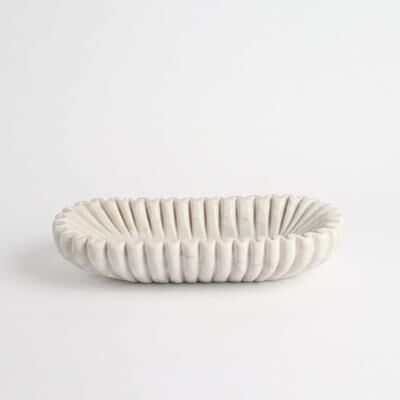
BIDKhome Curvy Edge White Bowl Set of 3This Curvy Edge White Bowl Set of 3 offers a modern, elegant design for any dining occasion. Crafted with smooth, glossy resin, each bowl features a unique curvy edge that adds a touch of sophistication.167,20 $*Shipping: 0,00 $Secure redirect to the provider
-
BIDKhome Vase CamilaThis elegant vase features a sleek, contemporary design with a smooth, glossy finish that catches the light beautifully. Its subtle, tapered silhouette adds a touch of sophistication to any room, making it a versatile piece for various decor styles.185,70 $*Shipping: 0,00 $Secure redirect to the provider
-
What is the centerpiece as a stylistic device?
The centerpiece is a stylistic device used in writing and speaking to highlight a central idea or theme. It is often the focal point of the piece, drawing attention and emphasizing its importance. The centerpiece can be a key argument, a significant event, or a powerful image that serves to anchor and unify the overall message of the work. By using a centerpiece, writers and speakers can effectively convey their main point and engage their audience. **
-
How can a new waterproofing membrane be applied on top of an old bitumen waterproofing membrane?
To apply a new waterproofing membrane on top of an old bitumen waterproofing membrane, the surface of the old membrane should be thoroughly cleaned and prepared. Any loose debris, dirt, or old adhesive should be removed to ensure proper adhesion of the new membrane. Once the surface is clean, a primer should be applied to promote adhesion between the old and new membranes. Finally, the new waterproofing membrane can be installed according to the manufacturer's instructions, ensuring that it is properly sealed and bonded to the old membrane to provide effective waterproofing. **
-
What is the white coating on the edge of the sink?
The white coating on the edge of the sink is likely a build-up of mineral deposits, soap scum, or hard water stains. These substances can accumulate over time from water splashing onto the sink's surface and not being wiped away. Regular cleaning with a mild abrasive cleaner or a mixture of vinegar and water can help remove this white coating and restore the sink's appearance. **
-
How do you sew leather edge to edge?
To sew leather edge to edge, you will need a leather needle, heavy-duty thread, and a leather sewing machine or a heavy-duty sewing machine with a leather sewing foot. First, align the edges of the leather pieces and secure them in place with clips or pins. Then, use a leather sewing machine or a heavy-duty sewing machine with a leather sewing foot to sew the edges together using a straight stitch. Make sure to use a longer stitch length and go slowly to ensure even stitching. Finally, backstitch at the beginning and end of the seam to secure the stitches. **
Similar search terms for BIDKhome-Edge-Centerpiece
-
What is used to cut the waterproofing membrane?
A utility knife or a sharp blade is typically used to cut the waterproofing membrane. It is important to use a sharp tool to ensure clean and precise cuts, which will help in achieving a proper seal and prevent water leakage. Care should be taken to avoid damaging the underlying surface while cutting the membrane. **
-
Which dimmer is used, leading edge or trailing edge?
The dimmer used can vary depending on the type of lighting fixture being controlled. Leading edge dimmers are typically used with incandescent and halogen bulbs, while trailing edge dimmers are more commonly used with LED and CFL bulbs. It is important to match the dimmer type with the appropriate lighting technology to ensure optimal performance and compatibility. **
-
Which dimmer is used, leading-edge or trailing-edge?
Trailing-edge dimmers are typically used for LED and electronic low-voltage lighting, as they provide a smoother dimming experience and help prevent flickering. On the other hand, leading-edge dimmers are more commonly used for incandescent and halogen lighting. The choice between leading-edge and trailing-edge dimmers depends on the type of lighting being used and the desired dimming performance. **
-
How do I apply edge banding to edge banding?
To apply edge banding to a surface, you will need to first cut the edge banding to the desired length and width of the surface you are covering. Next, use a hot iron or edge banding machine to apply heat to the edge banding and press it firmly onto the surface. Use a roller or edge banding trimmer to ensure the edge banding is securely attached and trim any excess material. Finally, allow the edge banding to cool and set before using the surface. **
* All prices are inclusive of VAT and, if applicable, plus shipping costs. The offer information is based on the details provided by the respective shop and is updated through automated processes. Real-time updates do not occur, so deviations can occur in individual cases. ** Note: Parts of this content were created by AI.