Buy aquapolimery.eu ?
We are moving the project
aquapolimery.eu .
Are you interested in purchasing the domain
aquapolimery.eu ?
domain@kv-gmbh.de · 0541-91531010
Buy aquapolimery.eu ?
Is the plastic HDPE harmful?
HDPE (High-Density Polyethylene) is generally considered to be a safe and non-toxic material. It is commonly used for food and beverage containers, as well as for packaging and other consumer products. HDPE is resistant to chemicals and does not leach harmful substances into the products it contains. However, it is important to note that while HDPE itself is not considered harmful, the additives and chemicals used in the production of HDPE products can potentially be harmful if not properly regulated. Therefore, it is important to ensure that HDPE products are used and disposed of properly to minimize any potential environmental impact. **
What are HDPE and LDPE?
HDPE and LDPE are types of polyethylene, which is a widely used plastic. HDPE stands for high-density polyethylene, and it is known for its high strength, durability, and resistance to chemicals and moisture. LDPE stands for low-density polyethylene, and it is known for its flexibility, toughness, and transparency. Both HDPE and LDPE are used in a wide range of applications, including packaging, construction, and consumer goods. **


Similar search terms for HDPE
Top-Angebote
Products related to HDPE:


-
How can a new waterproofing membrane be applied on top of an old bitumen waterproofing membrane?
To apply a new waterproofing membrane on top of an old bitumen waterproofing membrane, the surface of the old membrane should be thoroughly cleaned and prepared. Any loose debris, dirt, or old adhesive should be removed to ensure proper adhesion of the new membrane. Once the surface is clean, a primer should be applied to promote adhesion between the old and new membranes. Finally, the new waterproofing membrane can be installed according to the manufacturer's instructions, ensuring that it is properly sealed and bonded to the old membrane to provide effective waterproofing. **
-
What is used to cut the waterproofing membrane?
A utility knife or a sharp blade is typically used to cut the waterproofing membrane. It is important to use a sharp tool to ensure clean and precise cuts, which will help in achieving a proper seal and prevent water leakage. Care should be taken to avoid damaging the underlying surface while cutting the membrane. **
-
Is the waterproofing membrane applied and then it rains?
Ideally, the waterproofing membrane should be applied in dry weather to ensure proper adhesion and effectiveness. If the membrane is applied and then it rains before it has fully cured, it can compromise its ability to create a watertight seal. Water exposure during the curing process can lead to delamination, reduced adhesion, and potential leaks. Therefore, it is best to apply the waterproofing membrane when there is no rain in the forecast and allow it to fully cure before any water exposure. **
-
Which pens are suitable for acrylic painting and are sealant-resistant?
When using acrylic paint for painting, it is important to use pens that are specifically designed for use with acrylics. Some popular options include acrylic paint pens, acrylic markers, and acrylic ink pens. These pens are designed to be sealant-resistant, meaning they will not smudge or bleed when a sealant is applied over the painted surface. Look for pens that are labeled as waterproof, fade-resistant, and suitable for use on a variety of surfaces to ensure the best results for your acrylic painting projects. **
Is there a paint coating that is resistant to acid but not resistant to alkali?
Yes, there are paint coatings that are resistant to acid but not resistant to alkali. These coatings are typically formulated with specific chemical compounds that provide acid resistance, but are not as effective against alkali substances. For example, epoxy-based coatings are known for their resistance to acids, but they may not perform as well when exposed to alkali solutions. It is important to consider the specific chemical resistance properties of a paint coating when selecting the right product for a particular application. **
Where can one get food-safe, heat-resistant coating lacquer for food?
One can find food-safe, heat-resistant coating lacquer for food at specialty kitchen supply stores, online retailers that specialize in food-safe products, or through manufacturers that produce coatings specifically designed for food contact surfaces. It is important to ensure that the product is labeled as food-safe and heat-resistant to ensure it meets the necessary safety standards for use with food. Additionally, it is recommended to consult with a professional or expert in food safety to ensure the product is suitable for the intended use. **
Top-Angebote
Products related to HDPE:
-
Is the plastic HDPE harmful?
HDPE (High-Density Polyethylene) is generally considered to be a safe and non-toxic material. It is commonly used for food and beverage containers, as well as for packaging and other consumer products. HDPE is resistant to chemicals and does not leach harmful substances into the products it contains. However, it is important to note that while HDPE itself is not considered harmful, the additives and chemicals used in the production of HDPE products can potentially be harmful if not properly regulated. Therefore, it is important to ensure that HDPE products are used and disposed of properly to minimize any potential environmental impact. **
-
What are HDPE and LDPE?
HDPE and LDPE are types of polyethylene, which is a widely used plastic. HDPE stands for high-density polyethylene, and it is known for its high strength, durability, and resistance to chemicals and moisture. LDPE stands for low-density polyethylene, and it is known for its flexibility, toughness, and transparency. Both HDPE and LDPE are used in a wide range of applications, including packaging, construction, and consumer goods. **
-
How can a new waterproofing membrane be applied on top of an old bitumen waterproofing membrane?
To apply a new waterproofing membrane on top of an old bitumen waterproofing membrane, the surface of the old membrane should be thoroughly cleaned and prepared. Any loose debris, dirt, or old adhesive should be removed to ensure proper adhesion of the new membrane. Once the surface is clean, a primer should be applied to promote adhesion between the old and new membranes. Finally, the new waterproofing membrane can be installed according to the manufacturer's instructions, ensuring that it is properly sealed and bonded to the old membrane to provide effective waterproofing. **
-
What is used to cut the waterproofing membrane?
A utility knife or a sharp blade is typically used to cut the waterproofing membrane. It is important to use a sharp tool to ensure clean and precise cuts, which will help in achieving a proper seal and prevent water leakage. Care should be taken to avoid damaging the underlying surface while cutting the membrane. **
Similar search terms for HDPE
-
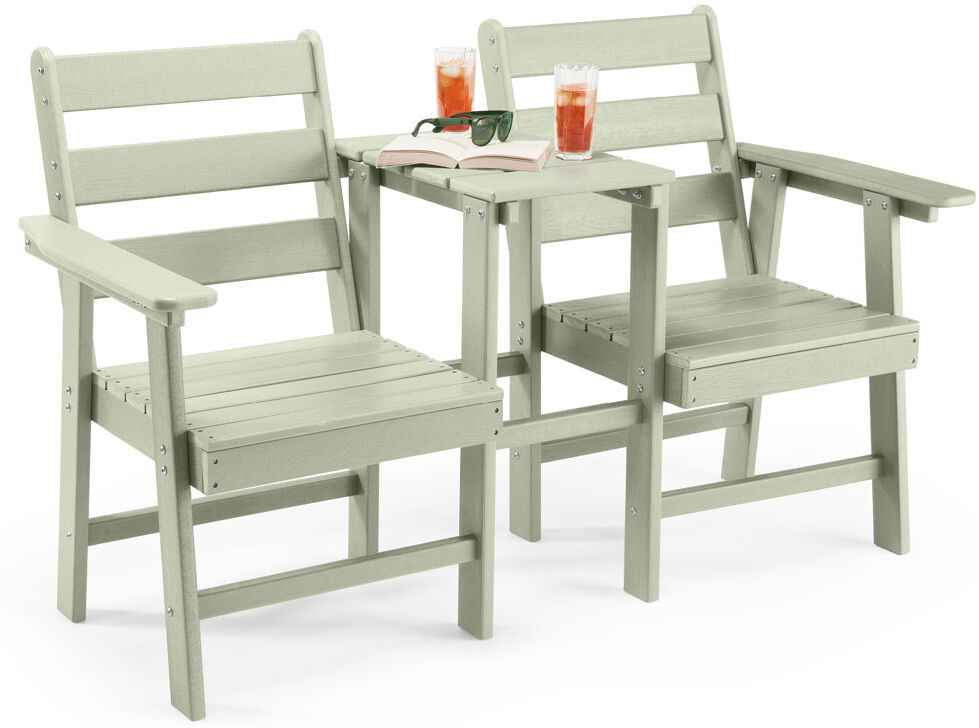
VonHaus Jack & Jill HDPE Garden Love Seat GreenExperience comfortable relaxation with the VonHaus Jack & Jill Adirondack seat, bringing contemporary charm to any garden. Complete with a small table, parasol hole, and wide armrests, our chair offers you and a loved one an inviting spot perfect for escaping the hustle-and-bustle of daily life. This companion set is the ultimate union of traditional style and modern durability thanks to the waterproof HDPE construction, providing resistance to fading, cracking, and splintering. Not only will its stylish remain in top condition, but so will its strength; the generous 220kg capacity gives you complete peace of mind. Inspired by the rusticity of the Adirondack mountains, our Westport garden range offers an array of Adirondack chairs, slatted companion sets, and more. VonHaus Colour: Green139,99 £*Shipping: 0,00 £Secure redirect to the provider
-
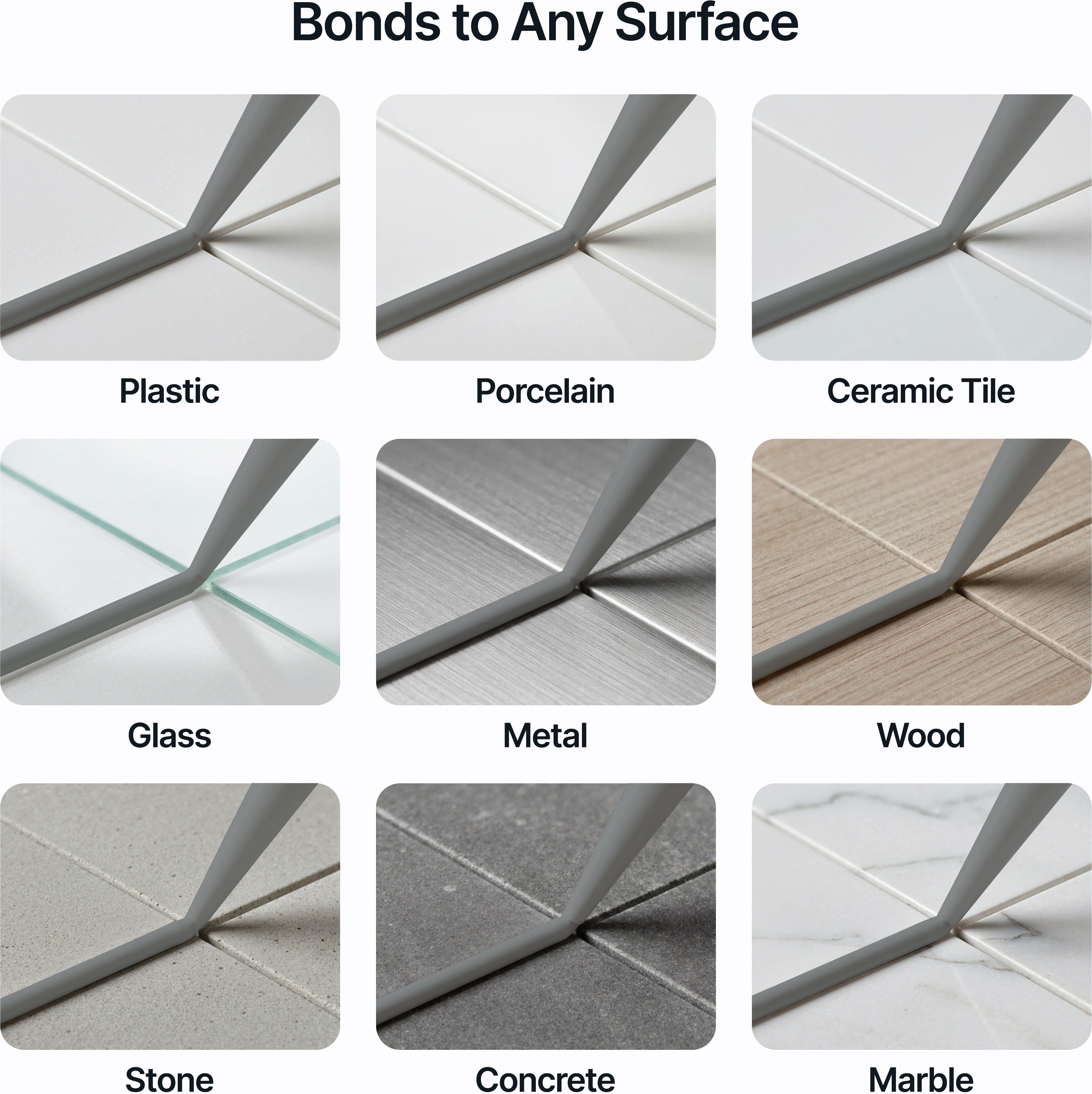
Hemway Construction Sealant & Adhesive Light Grey Hybrid Polymer All-In-One - Light Grey - 300mlTransform Your Projects with Hemway Light Grey Construction All-In-One Hybrid Polymer Sealant & Adhesive The Hemway Light Grey Construction All-In-One Hybrid Polymer Sealant & Adhesive delivers exceptional performance across various construction and renovation tasks. By leveraging advanced hybrid polymer technology, this product seamlessly combines the flexibility of silicone, the paintability of acrylic caulk, and the high-strength bonding properties of adhesives. Consequently, it provides a versatile, professional finish on multiple surfaces. Moreover, it is perfect for a range of applications including flooring, doors, windows, countertops, tiles, ceilings, drywalls, concrete, stone, metals, woods, PVC, and most plastics. Whether you are tackling a DIY project or engaging in a professional renovation, our Light Grey Construction Hybrid Polymer Sealant & Adhesive ensures outstanding results with minimal effort. Description The Hemway Light Grey Construction All-In-One Hybrid Polymer Sealant & Adhesive utilises state-of-the-art hybrid polymer technology, offering both long-lasting durability and superior performance. Designed for a wide range of construction and renovation tasks, it excels in both sealing and bonding applications. Furthermore, this product is suitable for various materials such as metals, wood, glass, mirrors, most plastics, and synthetic fibres, making it ideal for diverse construction needs. Key features include: * Ultra-strong bonding and durable sealing * Compatible with water based paints for easy customisation * Anti-mould properties for long-term hygiene * Waterproof and fast-curing * Highly elastic for flexible applications * Odourless and non-toxic * Chemical and UV resistant for versatile use * Environmentally friendly * Weatherproof In terms of coverage, it offers approximately a 6mm bead x 9.25mm length, and it cures within 24 hours at 23°C (73°F) with 50% R/H. Additionally, it provides resistance from -50°C to 120°C (-58°F to 248°F), making it suitable for a wide range of conditions, including high-humidity areas. Notably, it can also be applied to wet surfaces. Recyclable We are dedicated to sustainability. Therefore, we ensure that our products and packaging are fully recyclable or made from recycled materials. This commitment extends to: * Delivery Boxes * Labels * Pulp Fittings We focus on lowering our environmental impact with sustainable packaging choices. Vegan & Cruelty-Free Ethical Light Grey Construction All-In-One Hybrid Polymer Sealant & Adhesive Hemway is committed to producing vegan and cruelty-free products. Consequently, our Light Grey Construction All-In-One Hybrid Polymer Sealant & Adhesive contains no animal-derived ingredients and is never tested on animals. By choosing Hemway, you’re supporting ethical and sustainable solutions for your11,95 £*Shipping: 0,00 £Secure redirect to the provider
-
Is the waterproofing membrane applied and then it rains?
Ideally, the waterproofing membrane should be applied in dry weather to ensure proper adhesion and effectiveness. If the membrane is applied and then it rains before it has fully cured, it can compromise its ability to create a watertight seal. Water exposure during the curing process can lead to delamination, reduced adhesion, and potential leaks. Therefore, it is best to apply the waterproofing membrane when there is no rain in the forecast and allow it to fully cure before any water exposure. **
-
Which pens are suitable for acrylic painting and are sealant-resistant?
When using acrylic paint for painting, it is important to use pens that are specifically designed for use with acrylics. Some popular options include acrylic paint pens, acrylic markers, and acrylic ink pens. These pens are designed to be sealant-resistant, meaning they will not smudge or bleed when a sealant is applied over the painted surface. Look for pens that are labeled as waterproof, fade-resistant, and suitable for use on a variety of surfaces to ensure the best results for your acrylic painting projects. **
-
Is there a paint coating that is resistant to acid but not resistant to alkali?
Yes, there are paint coatings that are resistant to acid but not resistant to alkali. These coatings are typically formulated with specific chemical compounds that provide acid resistance, but are not as effective against alkali substances. For example, epoxy-based coatings are known for their resistance to acids, but they may not perform as well when exposed to alkali solutions. It is important to consider the specific chemical resistance properties of a paint coating when selecting the right product for a particular application. **
-
Where can one get food-safe, heat-resistant coating lacquer for food?
One can find food-safe, heat-resistant coating lacquer for food at specialty kitchen supply stores, online retailers that specialize in food-safe products, or through manufacturers that produce coatings specifically designed for food contact surfaces. It is important to ensure that the product is labeled as food-safe and heat-resistant to ensure it meets the necessary safety standards for use with food. Additionally, it is recommended to consult with a professional or expert in food safety to ensure the product is suitable for the intended use. **
* All prices are inclusive of VAT and, if applicable, plus shipping costs. The offer information is based on the details provided by the respective shop and is updated through automated processes. Real-time updates do not occur, so deviations can occur in individual cases. ** Note: Parts of this content were created by AI.